

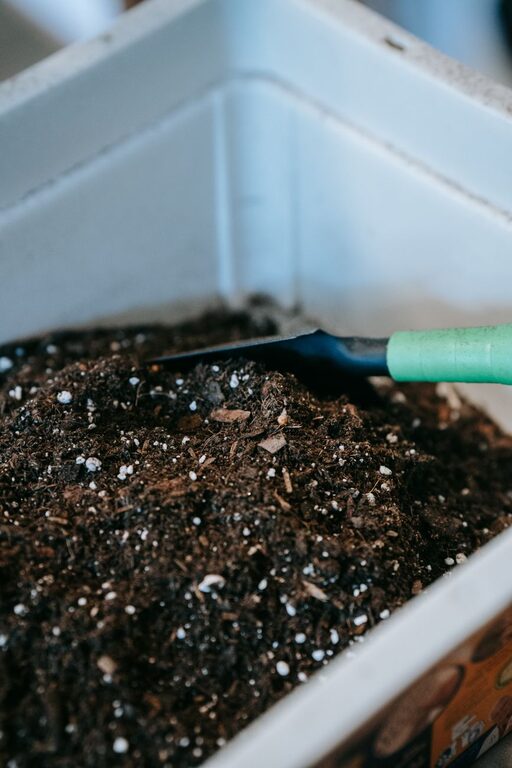
Composting at home is a fantastic way to reduce waste and enrich your garden soil naturally. Whether you have a spacious garden or just a small balcony, starting a compost bin can be simple and rewarding. This guide will help beginners understand the basics of composting, what materials to use, and how to maintain a healthy compost pile.
What Is Composting?
Composting is the natural process of recycling organic matter, such as food scraps and garden waste, into a rich soil amendment. This “black gold” can improve soil structure, provide nutrients to plants, and reduce the need for chemical fertilisers.
Why Compost at Home?
– Reduces waste: Instead of sending food scraps and garden clippings to landfill, composting turns them into a useful product.
– Improves soil: Compost enhances soil health by adding nutrients and increasing moisture retention.
– Saves money: Homemade compost can reduce the need to buy fertilisers and soil conditioners.
– Supports the environment: Composting lowers greenhouse gas emissions by reducing organic waste in landfill sites.
Getting Started: Choosing a Compost System
Outdoor Compost Bins
If you have a garden, an outdoor compost bin or heap is ideal. You can buy ready-made bins or create a simple pile in a corner of your garden.
Indoor Composting Options
For those with limited space, consider:
– Worm composting (vermicomposting): Special bins house worms that digest food scraps quickly.
– Compost tumblers: Sealed containers that can be kept on a balcony or patio; they’re easy to turn and manage.
– Bokashi bins: These use fermentation to break down food waste indoors before transferring the material outdoors.
What Can You Compost?
Greens (Nitrogen-rich materials)
– Fruit and vegetable scraps
– Coffee grounds and tea bags
– Fresh grass clippings
– Eggshells (crushed)
Browns (Carbon-rich materials)
– Dry leaves
– Straw or hay
– Paper and cardboard (non-glossy, shredded)
– Wood chips or sawdust
Tips:
– Aim for a balance of roughly three parts browns to one part greens. This ratio helps to keep the compost aerated and prevents bad smells.
– Avoid composting meat, dairy, oils, or pet waste, as these can attract pests and cause odours.
How to Build and Maintain Your Compost
Step 1: Choose a spot
Pick a dry, shady spot with good drainage if you’re composting outdoors.
Step 2: Layer materials
Start with a layer of browns on the base to aid aeration and drainage. Add alternating layers of greens and browns.
Step 3: Keep it moist
Your compost pile should be about as damp as a wrung-out sponge. Water occasionally if it becomes dry.
Step 4: Turn the pile
Turning the compost with a garden fork every few weeks introduces oxygen, which speeds up breakdown and prevents odours.
Step 5: Be patient
Compost can take from two months to a year to fully mature depending on the materials and conditions.
Troubleshooting Common Problems
| Problem | Cause | Solution |
|———————–|———————————|———————————————–|
| Bad smells | Too many greens or wet materials | Add more browns, turn the pile for aeration |
| Pests or rodents | Food scraps like meat or oily foods | Avoid these items; use a covered bin |
| Slow decomposition | Compost too dry or compacted | Add water, turn the pile, and add more greens |
| Too wet or soggy | Poor drainage or excess greens | Add browns and turn frequently |
Using Your Finished Compost
When your compost is dark, crumbly, and smells earthy, it’s ready to use. You can:
– Mix it into garden beds to improve soil quality.
– Use it as a mulch around plants to retain moisture.
– Add it to pots or containers to provide nutrients.
Final Tips for Successful Composting
– Chop scraps into small pieces to speed up decomposition.
– Avoid adding diseased plants to compost.
– Use a compost thermometer if you want to monitor temperature, aiming for 40-60°C for fast composting.
– Regularly monitor moisture and aerate to keep conditions optimal.
Starting composting at home is a simple step towards a greener lifestyle. By recycling your organic waste, you contribute to a healthier environment while nurturing your garden in a natural way. Happy composting!