

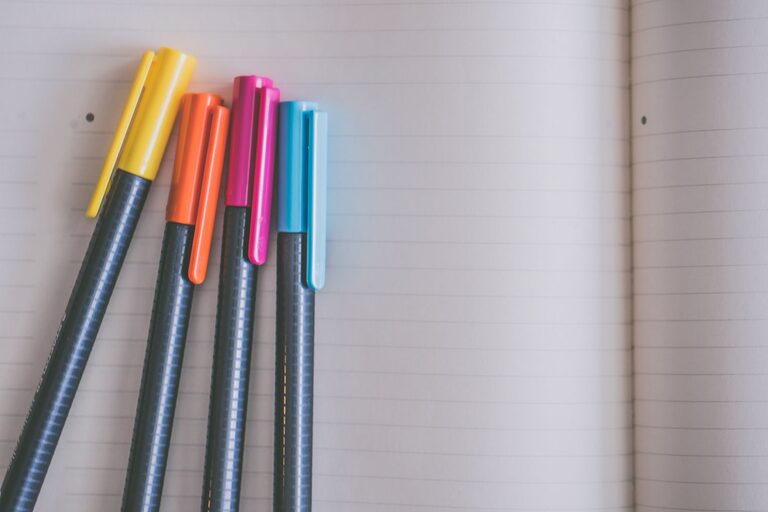
Choosing the right notebook might seem like a simple task, but it can make all the difference between a notebook gathering dust and one that becomes your trusty companion. Whether you want a notebook for work, study, journaling, or planning, selecting a design and format that suits your habits will encourage you to use it regularly. In this guide, we’ll walk you through how to pick a notebook you’ll actually enjoy using.
Consider the Purpose of Your Notebook
Before heading to the shops or browsing online, ask yourself what you intend to use your notebook for. Your choice will differ depending on whether you want it for:
– Taking notes in meetings or lectures
– Journaling or creative writing
– Planning daily tasks and goals
– Sketching or drawing
– Keeping track of projects or hobbies
Knowing the primary use will help shape your decision on size, layout, and paper quality.
Choose the Right Size and Format
Size Matters
Notebooks come in a variety of sizes—from tiny pocket-sized books to large A4 folders. Here’s what to consider:
– Pocket-sized (A6 to A7): Ideal for quick notes on the go or as a personal diary. Easy to carry but limited writing space.
– Medium-sized (A5): The most popular size, portable yet offering enough room to write comfortably. Great for daily use.
– Large (A4 and above): Suitable for detailed notes, sketches, or if you prefer spacious pages. Less portable but better for extensive work.
Think about where and when you’ll use your notebook most often to decide on the best size.
Paper Layout
The page format can influence how you organise your thoughts:
– Lined: Best for writing and note-taking. Helps keep handwriting neat.
– Plain (blank): Perfect for drawing, sketching, or freeform notes.
– Dotted or grid: Combines structure and flexibility, popular with bullet journals and planners.
– Pre-formatted: Includes daily planners, habit trackers, or specialised journals geared for specific uses.
If you’re unsure, many people find dotted pages offer a great balance.
Paper Quality and Binding
Paper Weight and Texture
The feel and quality of the paper can affect your writing experience:
– Weight: Measured in grams per square metre (gsm). Thicker paper (80gsm and above) prevents ink bleed-through and feels sturdier.
– Texture: Smooth paper suits fountain pens and fine liners, while rougher textures may work better with pencils or markers.
If you write with markers or ink-heavy pens, invest in a notebook with higher gsm paper.
Binding Types
Your choice of binding affects durability and usability:
– Spiral-bound: Lays flat when opened, easy to flip pages. Ideal for note-taking but can get bent in bags.
– Perfect bound (glued spine): Looks tidy and professional, but may not lay flat easily.
– Hardcover: Offers protection and longevity, great if you carry your notebook around frequently.
– Softcover: Lightweight and flexible, but less durable.
Consider how you intend to use and carry your notebook to pick the binding that suits you best.
Design Features and Extras
Many notebooks come with features that enhance usability:
– Page numbers: Useful for referencing notes or indexing.
– Ribbon or elastic bookmark: Helps you keep your place easily.
– Pocket inside cover: For storing receipts, notes, or loose papers.
– Perforated pages: Allows easy removal of sheets without damage.
– Number of pages: Think about how often you want to finish a notebook and start fresh.
Choose features that complement your workflow or style.
Your Personal Preferences
Your notebook should be something you enjoy using. Think about:
– Colour and aesthetics: A notebook that looks good can encourage frequent use.
– Cover material: Softcovers can feel more comfortable to hold; hardcovers provide sturdiness.
– Brand reputation: Some brands are known for quality, which might make your choice easier.
Taking time to pick a notebook you find appealing increases the chance you’ll stick with it.
Test Before You Buy
If possible, visit a stationery shop to hold and write in different notebooks. How does the paper feel? Is the size comfortable? Does it lay flat? This hands-on experience helps avoid disappointing purchases.
Tips to Make Your Notebook Last
- **Use your notebook daily:** Even a few lines keep momentum going.
- **Organise with tabs or coloured pens:** Makes it easier to find information.
- **Keep it protected:** Use a cover or sleeve to prevent wear and tear.
- **Set goals:** Define how you want to use your notebook to stay motivated.
Conclusion
Choosing a notebook you’ll actually use is about matching your needs with the right size, paper, layout, and features. Think about your purpose, preferences, and how you plan to use it daily. Whether you prefer a portable pocket book or a large sketchpad, your perfect notebook is out there waiting to help you stay organised, creative, and inspired.
With these tips in mind, your next notebook can become more than just paper—it can become a trusted tool in your daily life. Happy writing!