

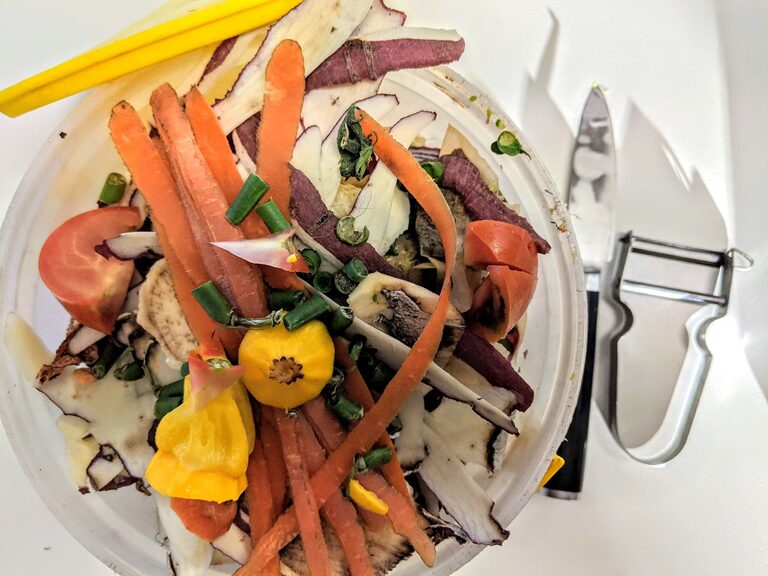
Reducing food waste at home is a great way to save money, conserve resources, and protect the environment. Globally, a large portion of food produced never gets eaten, contributing to unnecessary waste and greenhouse gas emissions. Simple changes in your kitchen and shopping habits can make a big difference. Here are some practical ways to reduce food waste at home.
Understand the Impact of Food Waste
Before diving into solutions, it’s important to recognise why reducing food waste matters. When food is thrown away, all the water, energy, and labour used to produce, transport, and store it are wasted as well. Additionally, food decomposing in landfill produces methane, a powerful greenhouse gas.
Plan Your Meals and Shopping Carefully
Make a Weekly Meal Plan
Planning your meals ahead allows you to buy only what you need. Write down recipes and ingredients for the week to avoid impulse purchases that might go unused.
Create a Detailed Shopping List
Use your meal plan to make a shopping list. Stick to this list when you go to the store to prevent buying unnecessary items.
Avoid Bulk Buying Unless Necessary
While bulk buying can save money, it can lead to waste if you cannot consume the food before it spoils. Consider your household size and eating habits before purchasing large quantities.
Store Food Properly
Use Clear Storage Containers
Store leftovers and pre-prepared meals in clear containers so you can easily see what you have in the fridge or freezer.
Understand Food Expiry Dates
“Use by” dates relate to safety, while “best before” dates indicate quality. Many foods are still safe to eat after the “best before” date but may not be at their freshest.
Keep Your Fridge Organised
Keep older items at the front and new items at the back so you use food in the order you bought it.
Store Fruits and Vegetables Correctly
Some fruits and vegetables last longer outside the fridge, while others need to be chilled. For example, tomatoes and bananas should be kept at room temperature, while carrots and leafy greens do better in the fridge.
Make Use of Leftovers
Get Creative with Leftovers
Transform leftovers into new meals such as soups, stir-fries, frittatas, or sandwiches. Many websites and apps offer recipes based on ingredients you already have.
Freeze Surplus Food
Freeze portions that you can’t eat before they spoil. This is especially useful for bread, cooked meals, and fruits or vegetables that may go off quickly.
Use Vegetable Scraps for Stock
Instead of throwing away vegetable peelings, onion ends, or carrot tops, save them in a bag in the freezer and use them to make homemade stock.
Cook the Right Portion Size
Measure Ingredients
When cooking, follow recipe amounts and measure ingredients carefully to avoid making too much food.
Serve Smaller Portions
Start with smaller servings and allow people to go back for seconds rather than putting too much food on the plate initially.
Compost Food Waste
If you do have unavoidable food scraps such as eggshells or coffee grounds, consider composting them. Composting reduces waste sent to landfill and creates nutrient-rich soil for plants.
Educate and Involve Your Household
Share the Goal
Let everyone in your home know that you’re trying to reduce food waste. Encourage them to help by suggesting meals or finishing leftovers.
Teach Children About Food Waste
Involving children can foster lifelong habits. Explain why food waste matters and encourage them to eat what they take and help with meal preparation.
Additional Tips for Reducing Food Waste
– Use your freezer efficiently by labelling and dating frozen items.
– Buy “imperfect” or “wonky” fruits and vegetables that supermarkets often reject but are perfectly edible.
– Preserve seasonal produce by freezing, pickling, or drying.
– Avoid single-use packaging by using reusable bags and containers.
– Check your fridge temperature (ideally between 1°C and 4°C) to keep food fresher for longer.
Conclusion
Reducing food waste at home doesn’t have to be complicated. By planning meals, storing food properly, using leftovers creatively, and involving everyone in your household, you can significantly reduce the amount of food you throw away. These habits not only save money but also contribute to a more sustainable lifestyle. Start with small changes today and enjoy the benefits of less waste and more mindful eating.